
Why Real-Time Inventory Sync Matters for Subscription Brands

January 15, 2026

For a subscription brand, your inventory is more than just a collection of products on a shelf; it’s a promise. It’s the guarantee to hundreds or thousands of loyal customers that their much-anticipated box will arrive on time, every time, with exactly what they expect inside. Now, imagine it’s the week of your big monthly shipment, and you suddenly discover you are short 50 units of your hero product. The ripple effect is catastrophic: delayed shipments, angry subscribers, a flood of support tickets, and a critical loss of trust.

This nightmare scenario, all too common for growing brands, is a direct result of poor inventory visibility. When your systems are not perfectly synchronized, you are managing your most valuable asset with guesswork. Real-time inventory synchronization is the technology that replaces that guesswork with certainty. It is the connective tissue that links your physical stock in the warehouse to your digital storefront, creating a single, undisputed source of truth. For subscription brands, this isn’t a luxury feature; it is the fundamental requirement for building a scalable, profitable, and trustworthy business.

What is Real-Time Inventory Sync?

Before diving into its importance, let’s define what we mean by “real-time inventory sync.” It is an automated, two-way communication system between your e-commerce platform (like Shopify), your other sales channels, and your fulfillment partner’s Warehouse Management System (WMS).

This system ensures that any change to your inventory, no matter where it occurs, is instantly and automatically reflected across your entire operational ecosystem.

Here’s how it works in practice:

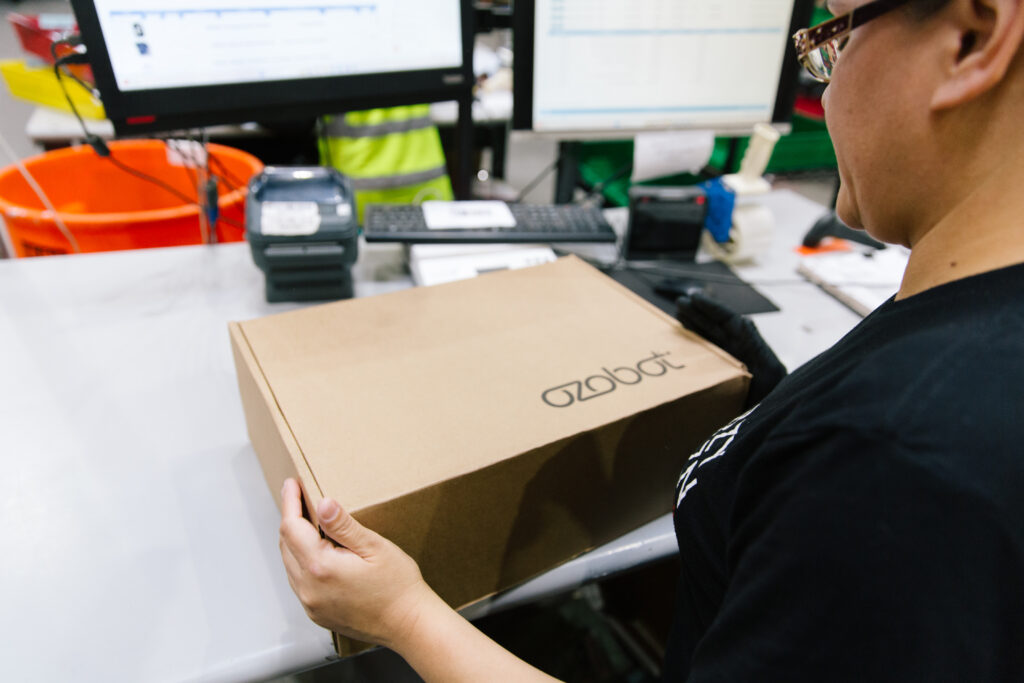
  1. Receiving Stock: Your supplier sends a shipment of 500 new coffee bags to your third-party logistics (3PL) partner. The warehouse team receives the shipment and scans the products into the WMS. Instantly, your Shopify store’s inventory level for that coffee bag increases by 500.
  2. Fulfilling an Order: A customer places a one-time order for that coffee bag on your website. The moment your 3PL’s team picks and ships the order, the WMS deducts one unit from the total count. Instantly, your Shopify inventory updates to 499.
  3. Subscription Renewals: Your monthly subscription cycle renews, creating 300 orders for that same coffee bag. The WMS reserves those 300 units for your subscription box drop. Instantly, the “available to sell” quantity on your Shopify store drops to 199, preventing you from selling inventory that is already committed to your subscribers.

This seamless, instantaneous flow of data is the opposite of a manual system, where an employee might update a spreadsheet once a day or once a week. That “inventory lag” is where fatal business errors are made.

The Disastrous Consequences of Lacking Real-Time Sync

Operating without real-time inventory synchronization is like trying to navigate a ship in a storm without a compass. You are making critical decisions based on outdated, inaccurate information, and the results are predictably damaging.

The Overselling Nightmare

This is the most immediate and painful consequence. Your website shows you have 20 units of a popular skincare serum in stock. A flash sale drives a flurry of orders, and you sell all 20. The problem? Your warehouse had already packed and shipped five of those units that morning, but the inventory hadn’t been manually updated yet.

You have now oversold by five units. You are forced to contact five excited customers and deliver bad news: the product they just bought is actually unavailable. This leads to:

  • Customer Frustration: You have failed to meet a basic promise, leading to a negative brand experience.
  • Lost Revenue: You lose the immediate sale and potentially the customer’s future business.
  • Increased Support Load: Your team has to manage these unhappy customers, process refunds, and handle the administrative fallout.

Crippling Stockouts for Subscribers

For a subscription brand, a stockout is exponentially worse. It doesn’t just affect one customer; it can derail your entire monthly fulfillment cycle and disappoint every single subscriber.

Imagine your subscription box contains three unique items. You need 1,000 units of each to fulfill your monthly orders. Without real-time sync, you might think you have enough of all three. But you failed to account for a batch of one item that was damaged during receiving or a handful of units that were sold through a one-off promotion.

You discover the shortfall just days before your shipping deadline. Now you are in a desperate scramble. Do you delay the entire shipment while you rush a new order from your supplier? Do you ship the boxes with a missing item and promise to send it later? Every option is a bad one that damages the reliable, consistent experience your subscribers pay for.

Inefficient Cash Flow and Bloated Inventory

The problems aren’t limited to running out of stock. Poor inventory visibility also leads to carrying too much of the wrong inventory. Without accurate, real-time data on sales velocity, you are just guessing how much of each product or component to order.

This leads to:

  • Tying Up Capital: You over-order a slow-moving item, and now your cash is tied up in products that are just sitting on a warehouse shelf, collecting dust.
  • Increased Storage Costs: Your 3PL charges you for the space your inventory occupies. Bloated, slow-moving stock directly increases your monthly fulfillment bill.
  • Risk of Obsolescence: For products with an expiration date (like food or cosmetics) or seasonal relevance (like apparel), excess inventory can become worthless if it isn’t sold in time.

The Transformative Benefits of Real-Time Inventory Sync

Implementing a real-time sync system through a capable 3PL partner isn’t just about preventing disasters; it’s about unlocking a new level of operational efficiency and strategic capability.

1. Eliminating Overselling and Improving Customer Satisfaction

With real-time sync, your website becomes a perfect mirror of your physical warehouse. The stock level displayed to customers is always accurate and trustworthy.

  • Benefit: Customers can shop with confidence, knowing that if the site says a product is in stock, it is. This eliminates the frustration of canceled orders and builds trust in your brand’s reliability. For subscribers, it provides peace of mind that the components for their box are secured and ready.

2. Enabling Accurate Demand Forecasting

Accurate forecasting is the holy grail of inventory management. Real-time data is the key that unlocks it.

  • Benefit: Your 3PL’s WMS can provide you with rich data on sales velocity for every single SKU. You can see exactly how quickly a product sells after being featured, or how demand changes seasonally. This data allows you to move from guessing to data-driven decision-making. You can set precise reorder points, ensuring you order new stock just in time, minimizing carrying costs while preventing stockouts.

3. Unlocking Multi-Channel Sales Opportunities

As your brand grows, you may want to sell through multiple channels—your Shopify store, a marketplace like Amazon, and perhaps even retail partners. Without real-time sync, this is an operational nightmare.

  • Benefit: A centralized, synchronized inventory system allows you to pool your inventory across all channels. A sale on Amazon instantly depletes the stock available on Shopify, and vice versa. This prevents you from selling the same unit twice and allows you to expand your sales footprint confidently, knowing your inventory is being managed from a single source of truth.

4. Creating a “Set-It-and-Forget-It” Operational Backend

The ultimate goal is to build an operational system that runs so smoothly you don’t have to think about it. Real-time inventory sync is a cornerstone of this vision.

  • Benefit: By automating the flow of inventory data, you remove the need for constant manual checks and updates. You can set up automated low-stock alerts that notify you when it’s time to reorder, turning a reactive, stressful process into a proactive, calm one. This frees up your mental energy and your team’s time to focus on high-value activities like marketing, product development, and customer engagement.

What to Look for in a 3PL’s Inventory Solution

Not all 3PLs offer true real-time synchronization. Many providers still rely on older systems that use periodic updates (known as batching), which might only sync inventory every few hours or once a day. For a fast-moving subscription brand, this is not good enough.

When evaluating a potential fulfillment partner, ask these specific questions about their inventory management capabilities:

  • “Is your inventory sync event-driven and in real-time?” The answer must be yes. This means that an “event”—like a new order or a receiving shipment—is what triggers the inventory update, not a timed schedule.
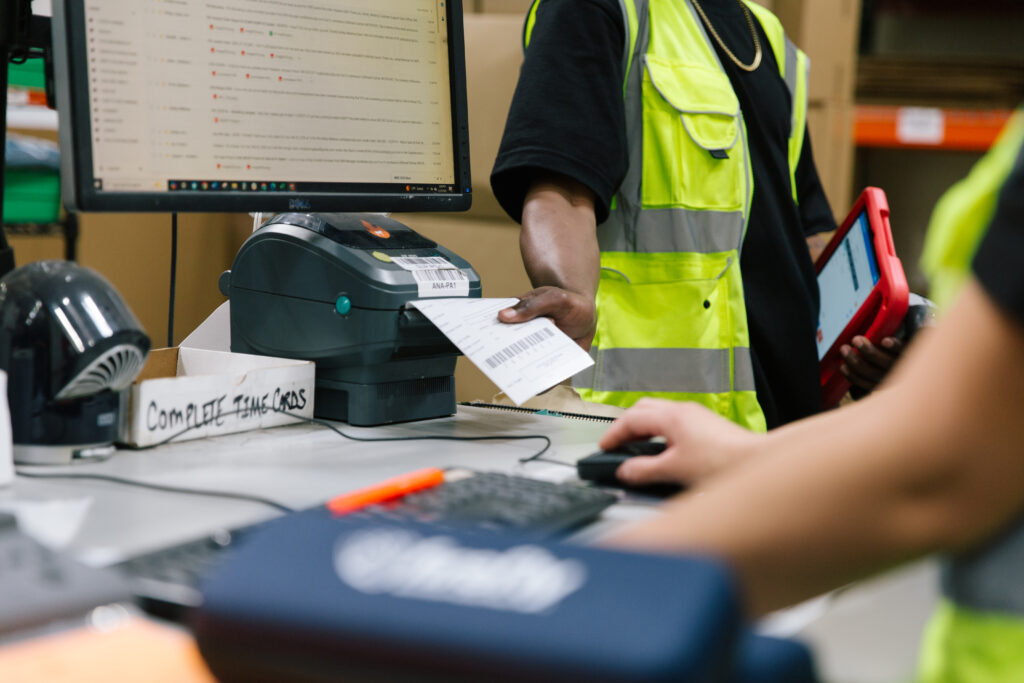
  • “Can you show me your WMS portal?” A modern 3PL should give you 24/7 access to a client portal where you can view your inventory levels, see order statuses, and run reports. You should have the same visibility as their internal team.
  • “How do you handle inventory for kitting and subscriptions?” Their system must be able to manage inventory at the component level. It needs the ability to reserve stock for upcoming subscription cycles and accurately deplete the components used in assembled kits.
  • “What integrations do you have?” Look for a 3PL with a library of pre-built, robust integrations for Shopify and major subscription apps. A partner like OC3PL, with over 90 integrations and the ability to build custom ones, demonstrates deep technical competence.

A 3PL’s approach to technology is a direct reflection of their ability to support a modern, growing brand. Their investment in a fully integrated, real-time WMS is a sign that they understand the demands of today’s e-commerce landscape. This is a core component of a seamless and scalable fulfillment process.

Conclusion: From Liability to Strategic Asset

For a subscription brand, inventory is everything. Managed poorly, it is a constant source of stress, a drain on cash flow, and a major liability that can jeopardize your entire business. But managed with precision and visibility, it becomes a powerful strategic asset.

Real-time inventory synchronization is the technology that makes this transformation possible. It provides the accuracy you need to keep your promises to customers, the data you need to make intelligent purchasing decisions, and the automation you need to scale without breaking. By partnering with a technology-forward 3PL, you can put an end to the chaos of manual inventory management and build a resilient, efficient, and customer-centric operation. You can finally stop worrying about whether you have enough stock for next month’s shipment and start focusing on how to acquire the subscribers for the month after that.

Ready to gain true visibility and control over your inventory? Contact us today to learn how OC3PL’s real-time inventory solutions can empower your subscription brand to grow with confidence.

We Integrate With 90+ Platforms or Build One Just for You

If we don’t have it, we’ll build it. OC3PL-funded custom integrations make it easy to switch.

Contact Us
Blog post Image
Blog post Image
Schedule A Call
Close

Schedule A Call