
Launch week. For any e-commerce brand, especially startups, these two words conjure a potent mix of excitement and terror. You’ve poured countless hours, funds, and passion into developing your product. You’ve perfected the branding, built a beautiful website, and hyped your launch across social media. The big day arrives, the “go live” button is pushed, and the orders start rolling in. This is the moment you’ve dreamed of. But what happens next can make or break your brand before it even has a chance to truly take flight.
The dream is a flood of happy customers. The reality, for many, is operational chaos. Servers crash, inventory counts are wrong, orders are missed, and the person responsible for printing shipping labels is suddenly overwhelmed. This initial surge, meant to be a victory, quickly turns into a logistical nightmare. The anxiety is real, and it’s rooted in the fear that the back-end operations won’t be able to keep up with the front-end success.
This guide is for every founder who has lost sleep over the “what ifs” of launch week. We will dive deep into the common pitfalls that create operational chaos and provide a strategic roadmap for not just surviving, but thriving. We’ll explore how meticulous planning, the righttechnology and integrations, and a strategic partnership with a third-party logistics (3PL) provider can transform launch week from a source of anxiety into a seamless, scalable, and successful foundation for your business. You can have a blockbuster launch without the operational headache.
Deconstructing Launch Week Anxiety: The Sources of Chaos
The pressure of a product launch is immense. It’s the culmination of months, or even years, of hard work. When you peel back the layers of this anxiety, you find specific, tangible fears about the operational side of the business failing at the most critical moment. Let’s break down the most common sources of this chaos.
Inventory Management Nightmares
At the heart of any e-commerce operation is its inventory. Without accurate, real-time knowledge of your stock, everything else falls apart.
The Peril of Overselling
There is perhaps no greater sin in the early days of an e-commerce brand than overselling. A customer excitedly places an order, receives a confirmation email, and then… nothing. Days or weeks later, they receive an apology email explaining that the item they purchased is actually out of stock. The damage is immediate. You’ve not only lost a sale, but you’ve likely lost a customer for life. They will share their negative experience, tarnishing your brand’s reputation before it’s even established. This happens when your inventory management system, whether it’s a simple spreadsheet or basic e-commerce platform software, can’t keep up with the velocity of orders and update stock levels in real-time across all sales channels.
Miscounts and “Ghost” Inventory
The opposite problem, “ghost” inventory, is just as damaging. Your system says you have 50 units of a product, but in reality, you only have 30. This could be due to receiving errors, damaged goods that were never written off, or simple human error during a manual count. The result? You miss out on 20 potential sales because your website incorrectly shows the item as “in stock” long after you’ve run out. Accurate receiving and inventory accuracy are not just operational tasks; they are the bedrock of your financial success and customer trust. Without a disciplined process for checking in new stock and regularly cycle-counting, you are flying blind.
The Order Fulfillment Bottleneck
Once an order is successfully placed, the clock starts ticking. Customer expectations for fast and accurate shipping are higher than ever. During a launch, the sheer volume of orders can bring a self-fulfillment operation to a grinding halt.
From Order to Overwhelm
Imagine your living room or garage transformed into a makeshift warehouse. Orders are pouring in. Each one needs to be individually picked from a shelf, carefully packed in the correct box with the right infill, and then labeled with the correct shipping address. A handful of orders per day might be manageable. But what happens when you get 100, 500, or 1,000 orders in a single day?
The pick, pack, and ship workflow becomes an intense bottleneck. Picking errors skyrocket, leading to customers receiving the wrong items. Packing quality diminishes, resulting in damaged products and a poor unboxing experience. The time it takes to get an order out the door stretches from hours to days, completely missing your promised delivery window. This is where founders find themselves working 18-hour days, roping in friends and family, and still falling further behind.
The Unboxing Experience Compromise
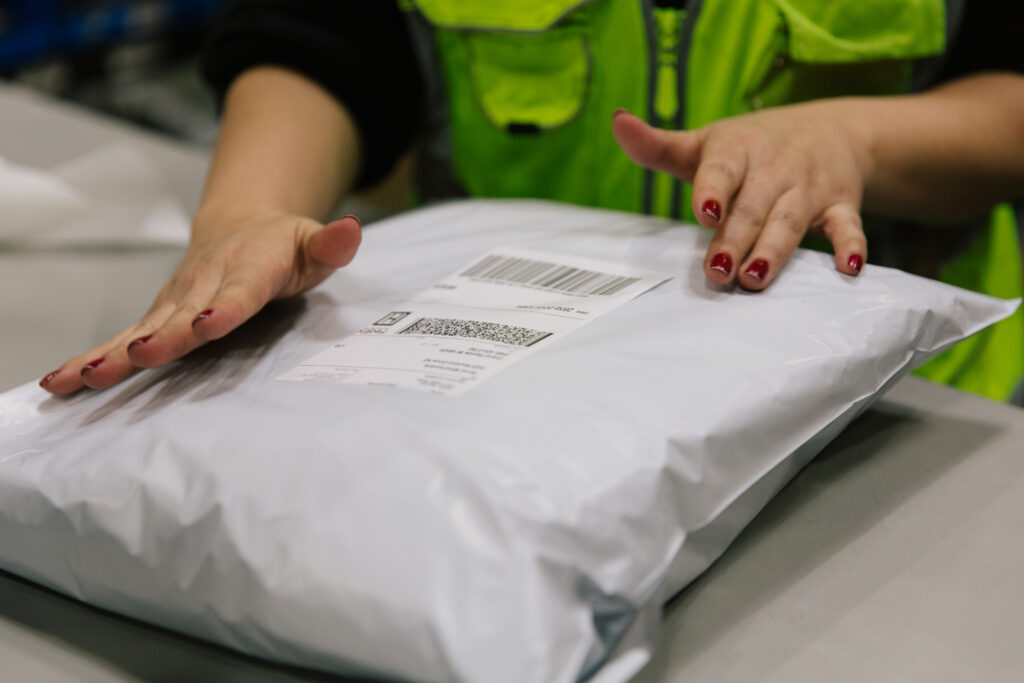
In the rush to get orders out, the details that define your brand experience are the first casualties. The custom-printed tissue paper, the handwritten thank-you note, the perfectly placed sticker—these elements get skipped. The unboxing experience is your first physical handshake with your customer. A poorly packed box with a product thrown inside sends a message of carelessness. It erodes the premium feel of your brand and eliminates a powerful opportunity for customers to share their positive experience on social media. For brands in specialized sectors likeapparel fulfillment or those offering curated subscription boxes and drops, the unboxing presentation is a critical part of the product itself.
Shipping and Carrier Complications
Getting the package out of your hands is only half the battle. Navigating the complex world of shipping carriers during a high-volume period presents its own set of challenges.
The High Cost of Inefficient Shipping
For a startup, shipping costs can be a silent killer of profit margins. Without the volume to negotiate favorable rates, you’re often stuck paying premium prices for shipping. Furthermore, manually selecting the best carrier and service level for each individual order is incredibly time-consuming and prone to error. You might be overpaying for express shipping on an order that could have arrived on time with a cheaper ground service, or vice-versa. Effective carrier management and shipping speed optimization require sophisticated software that can rate-shop in real-time to find the most cost-effective option that still meets the customer’s delivery expectations. Without this, you are either bleeding cash or disappointing customers.
Tracking and Communication Breakdowns
Once a package leaves your facility, customers expect visibility. They want a tracking number immediately, and they want to see that the package is moving. During a launch, the manual process of generating tracking numbers and updating orders can lag significantly. This leads to a flood of “Where is my order?” (WISMO) emails and messages, tying up your customer service resources. Clear, automated communication—from order confirmation to shipping confirmation with tracking, and finally to delivery confirmation—is non-negotiable for a modern brand.
The Strategic Solution: Partnering with a 3PL
The operational chaos of a launch week is not a rite of passage that you must endure. It is a predictable, solvable problem. The most effective way to preempt this chaos is to outsource your logistics to a specialized partner: a third-party logistics (3PL) provider.
A 3PL is more than just a warehouse; it is an extension of your team, providing the infrastructure, technology, and expertise to manage your entire fulfillment process. By partnering with the right 3PL, you can focus on what you do best—building your brand and selling your product—while they handle the complex back-end operations.
How a 3PL Prevents Launch Week Chaos
Let’s revisit the sources of anxiety and see how a professional 3PL partner like OC3PL directly addresses each one.
Solving Inventory Nightmares with Technology and Process
A modern 3PL operates on a powerful Warehouse Management System (WMS). This software is the central nervous system of the fulfillment operation.
- Real-Time Syncing: The WMS integrates directly with your e-commerce platform (like Shopify, BigCommerce, or Magento). When an order is placed on your website, the inventory is automatically deducted in the WMS in real-time. This eliminates the risk of overselling. The inventory levels on your website are always an accurate reflection of the physical stock in the warehouse. This seamless technology and integration is fundamental.
- Disciplined Receiving: When your products arrive at the 3PL, they aren’t just thrown on a shelf. A dedicated receiving team follows a strict process. Each item is scanned, inspected for damage, and counted before being entered into the WMS and put away in a designated, trackable location. This ensures that the inventory count is accurate from the moment it enters the building, preventing “ghost” inventory issues.
- Cycle Counting and Accuracy: Professional 3PLs don’t wait for an annual physical count to check their numbers. They perform regular cycle counts on small sections of the warehouse, constantly verifying and correcting the inventory data in the WMS. This commitment to receiving and inventory accuracy maintains a 99%+ accuracy rate, giving you complete confidence in your stock levels.
Scaling Order Fulfillment on Demand
A 3PL is built for volume fluctuations. A sudden surge in orders during a launch is not a crisis for them; it’s business as usual.
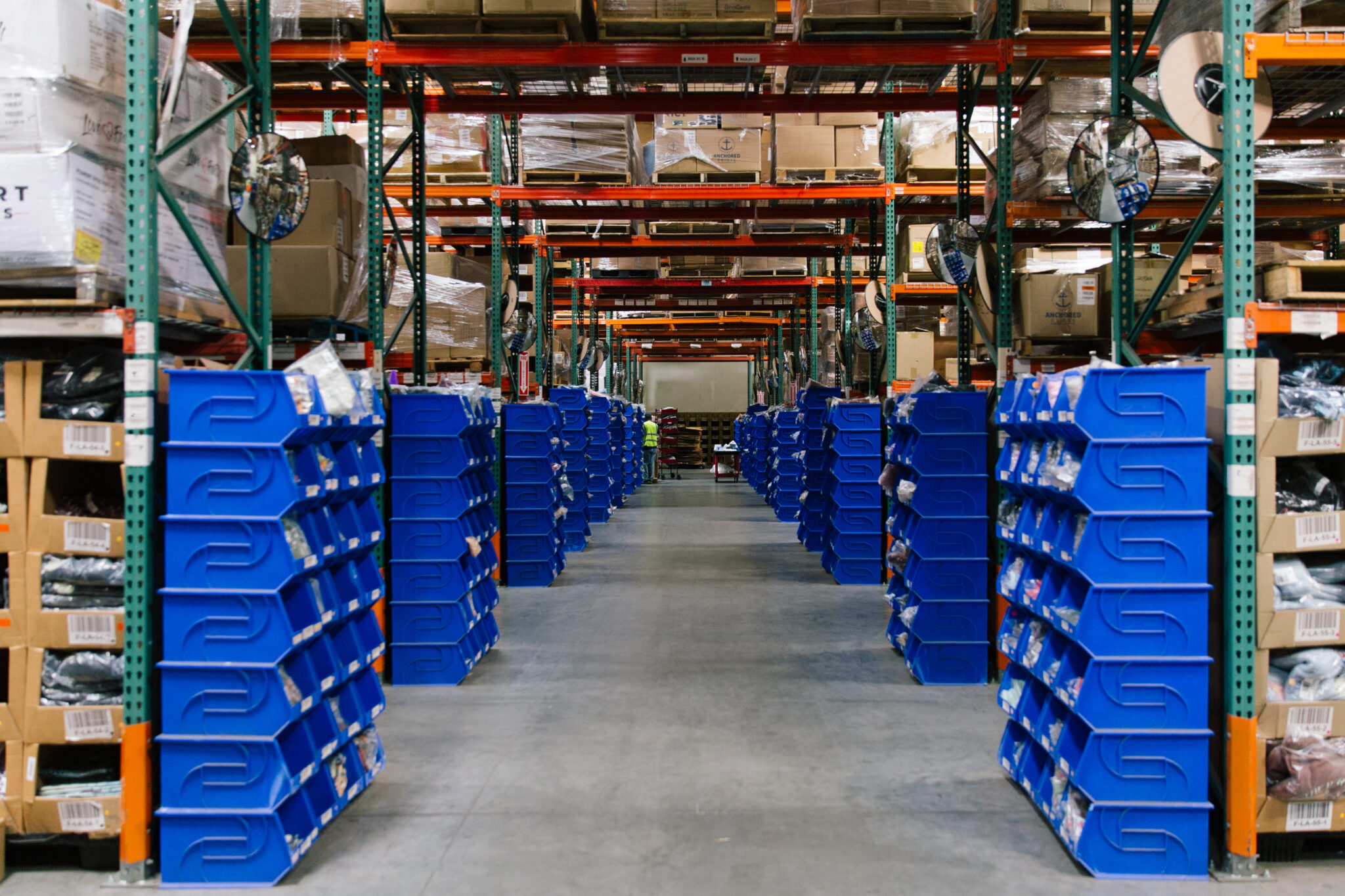
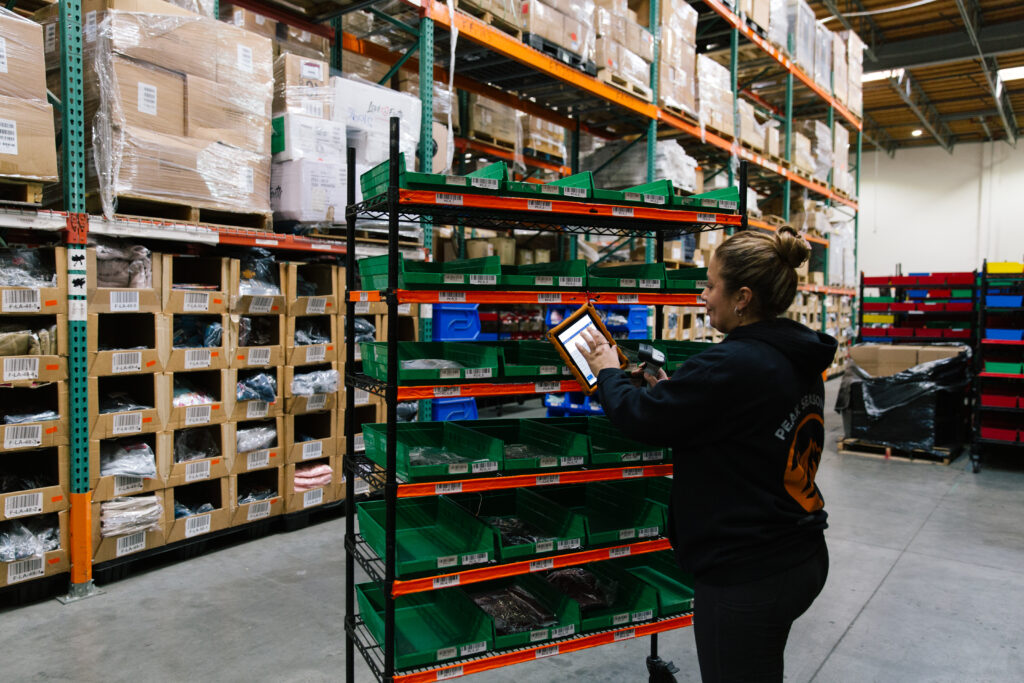
- Optimized Workflows: A 3PL warehouse is designed for maximum efficiency. The layout, the picking paths, and the packing stations are all optimized to minimize movement and speed up the process. They utilize sophisticated pick, pack, and ship workflows, often guided by the WMS on mobile scanners, to ensure that pickers are taking the most efficient route through the warehouse to gather items for multiple orders at once (batch picking).
- Trained Labor and Scalability: A 3PL has a trained workforce that can be scaled up or down based on volume. When your launch hits, they can allocate more staff to your account to handle the increased order load without any delay. You don’t have to worry about hiring temporary workers or overwhelming your small team. They have the human resources to manage the spike.
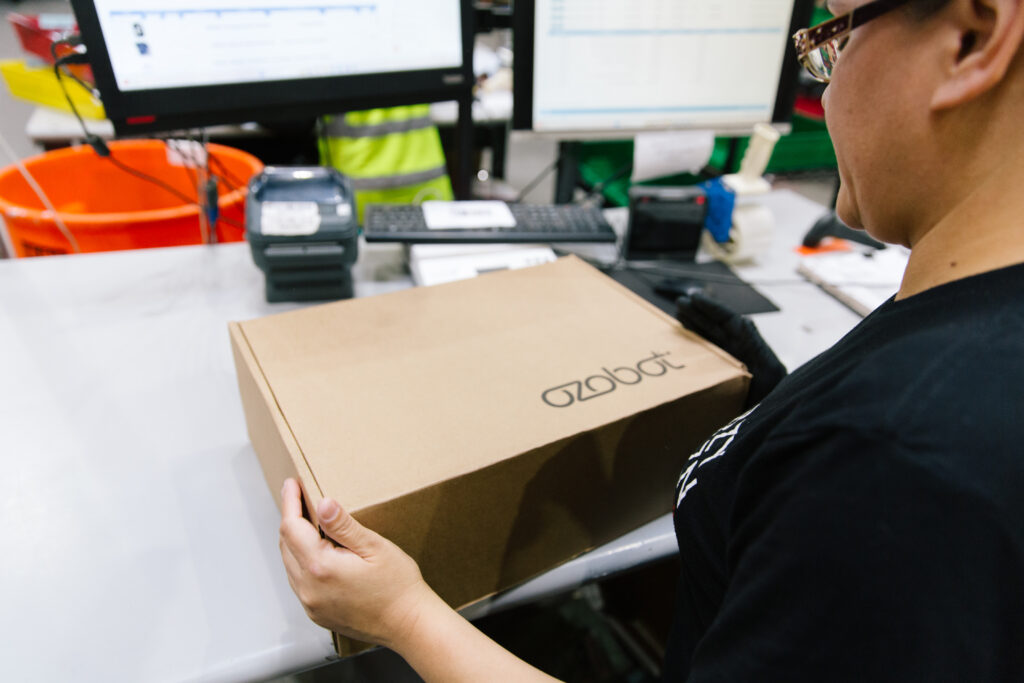
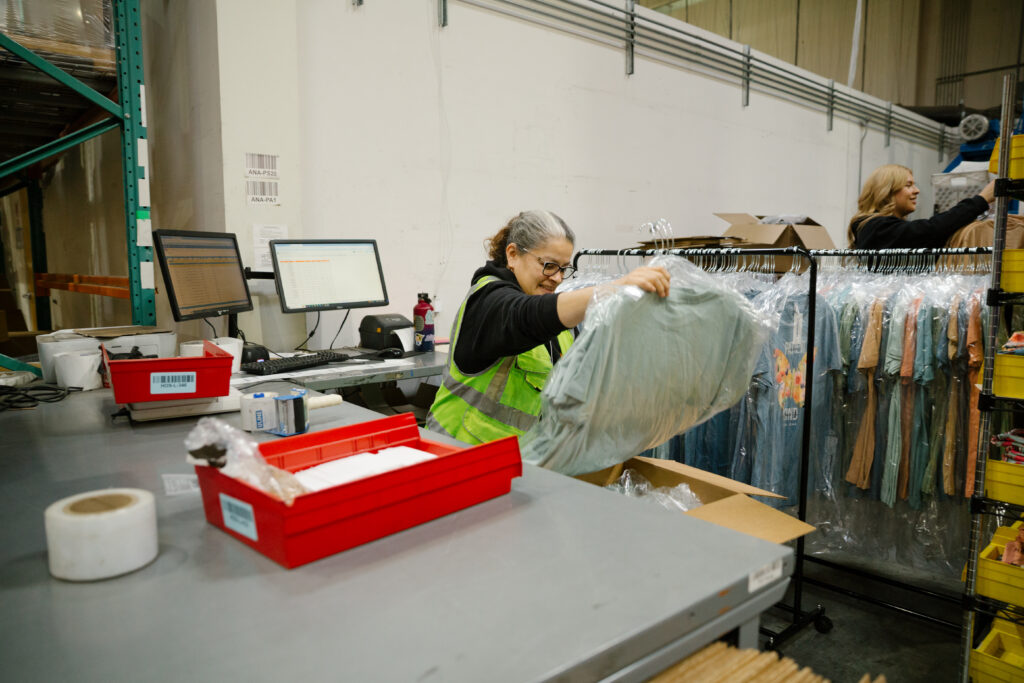
- Consistent Brand Experience: A professional 3PL understands the importance of the unboxing experience. They can work with you to develop standardized operating procedures (SOPs) for how every order is packed. Whether it requires specific branded dunnage, a marketing insert, or a particular folding technique for apparel, their team is trained to execute it consistently on every single order. This is especially crucial for specialized needs like apparel fulfillment or complex custom kitting and assembly.
Mastering Shipping and Logistics
3PLs ship millions of packages a year. This volume gives them access to benefits and technologies that a startup could never achieve on its own.
- Negotiated Carrier Rates: Because of their massive shipping volume, 3PLs negotiate deeply discounted rates with all major carriers (USPS, FedEx, UPS, DHL). These savings are passed on to you, significantly reducing your shipping costs and improving your profit margins. This turns a major expense into a competitive advantage.
- Automated Rate Shopping: The 3PL’s software automatically compares carrier rates and delivery times for every order. It selects the “best-fit” option that meets the customer’s promised delivery date at the lowest possible cost. This carrier management automation saves thousands of dollars and ensures you’re never overpaying for shipping.
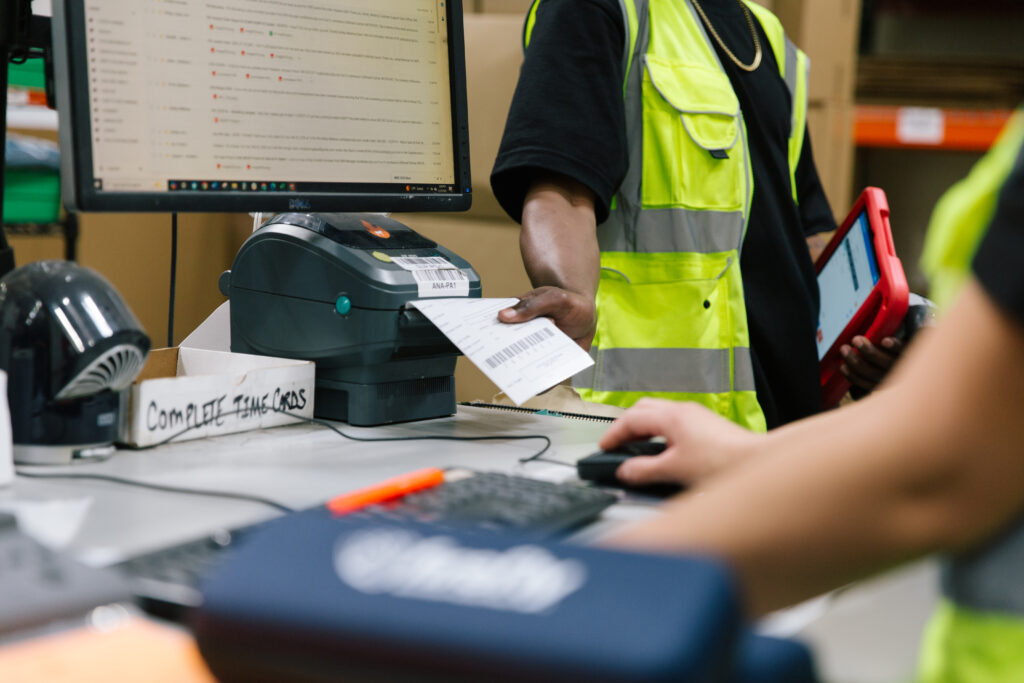
- Streamlined Tracking and Returns: As soon as an order is shipped, the tracking information is automatically pushed back to your e-commerce store and sent to the customer. This proactive communication drastically reduces WISMO inquiries. Furthermore, a 3PL can manage your entire returns management (reverse logistics) process, inspecting returned items, and processing refunds or exchanges according to your policies, making a potentially negative customer experience a smooth and simple one.
The OC3PL Difference: A Partner for Growth
While many 3PLs can offer warehousing and shipping, the right partner offers more. They act as a strategic advisor, particularly for startups navigating the complexities of growth. At OC3PL, we are built to be that partner.
Transparency and Communication
We believe that a successful partnership is built on trust, which starts with transparent communication. Our approach to client onboarding and communication is designed to integrate our team with yours. From day one, you have a dedicated account manager who understands your brand and your goals. We use shared communication channels like Slack to provide real-time updates and answer questions instantly. You are never left in the dark.
Our commitment to transparency extends to our pricing. We provide clear, line-item billing so you understand exactly what you’re paying for. There are no hidden fees or surprise charges. This clarity allows you to forecast your costs accurately and make informed business decisions.
A Team of Experts
Logistics is a complex field. Our strength lies inour team of dedicated professionals who live and breathe e-commerce fulfillment. We’ve seen it all, from viral product launches to complexFBA prep requirements for Amazon sellers. We bring this collective experience to bear for every client, proactively identifying potential issues and offering solutions before they become problems. You can view our track record of success through our client case studies.
Tailored and Scalable Solutions
We understand that no two businesses are the same. We don’t force you into a one-size-fits-all model. We offer a range of solutions designed to meet the unique needs of different business models, whether you’re focused on direct-to-consumer e-commerce order fulfillment, servicingretail and wholesale accounts, or managing the intricate logistics of subscription boxes. Our processes and technology are designed to scale with you, providing the same high level of service whether you’re shipping 10 orders a day or 10,000.
Your Pre-Launch Operational Checklist
Partnering with a 3PL is the most significant step you can take to avoid launch week chaos. However, there are still key preparations you need to make to ensure a smooth process.
1. Finalize Your Product and Packaging
- SKU Creation: Ensure every unique product variant has a distinct SKU (Stock Keeping Unit). This is non-negotiable for inventory tracking.
- Barcodes: Every individual unit must have a scannable barcode (UPC or FNSKU). This is critical for efficient receiving, picking, and inventory accuracy at the 3PL.
- Packaging: Confirm your final product packaging. Provide your 3PL with exact dimensions and weights for each SKU. This data is essential for accurate storage and shipping calculations.
2. Set Up Your Technology Stack
- E-commerce Platform: Your website must be stable and ready to handle traffic.
- 3PL Integration: Work with your 3PL’s technical team to fully integrate your e-commerce store with their WMS and technology integrations. Place several test orders to ensure they flow through correctly and that inventory levels update as expected.
- Customer Service Software: Have a system in place (like Gorgias or Zendesk) to manage customer inquiries efficiently.
3. Plan Your Inventory
- Forecasting: Create a realistic (but optimistic) sales forecast for your launch week and first month. Share this with your 3PL so they can plan labor and storage space accordingly.
- Initial Inventory Shipment: Coordinate the first shipment of your inventory to the 3PL well in advance of your launch date. Allow at least 1-2 weeks for them to receive and process the stock. Do not have your inventory arrive the day before launch.
- Buffer Stock: If possible, hold back a small amount of buffer stock. This isn’t to self-fulfill, but as a last-resort emergency reserve in case of unforeseen shipping damage or manufacturing defects in your initial batch.
4. Define Your Fulfillment and Shipping Policies
- Packing SOPs: Create a detailed document for your 3PL outlining your exact packing requirements. Include photos or videos demonstrating the desired unboxing experience. Do you want a sticker on the box? An insert card placed on top? Be specific.
- Shipping Options: Decide on the shipping options you will offer customers (e.g., Standard Ground, 2-Day Express). Work with your 3PL to understand the costs and set your customer-facing prices accordingly.
- Returns Policy: Finalize your returns policy and communicate it to your 3PL. They will execute this policy on your behalf, so clarity is key.
Launch week doesn’t have to be a source of anxiety. The operational chaos that so many founders fear is preventable. By understanding the common pitfalls and taking proactive steps to address them, you can transform your launch into a smooth, successful, and scalable event.
Partnering with a technology-forward 3PL like OC3PL is the single most impactful decision you can make to secure your operational foundation. It allows you to offload the immense complexity of inventory management, order fulfillment, and shipping, freeing you to focus on your customers and your brand.
If you are planning a launch and want to ensure your operations are ready for success, contact us. Let’s discuss how we can build a fulfillment strategy that turns launch week anxiety into launch week triumph.
We Integrate With 90+ Platforms or Build One Just for You
If we don’t have it, we’ll build it. OC3PL-funded custom integrations make it easy to switch.

Contact Us