

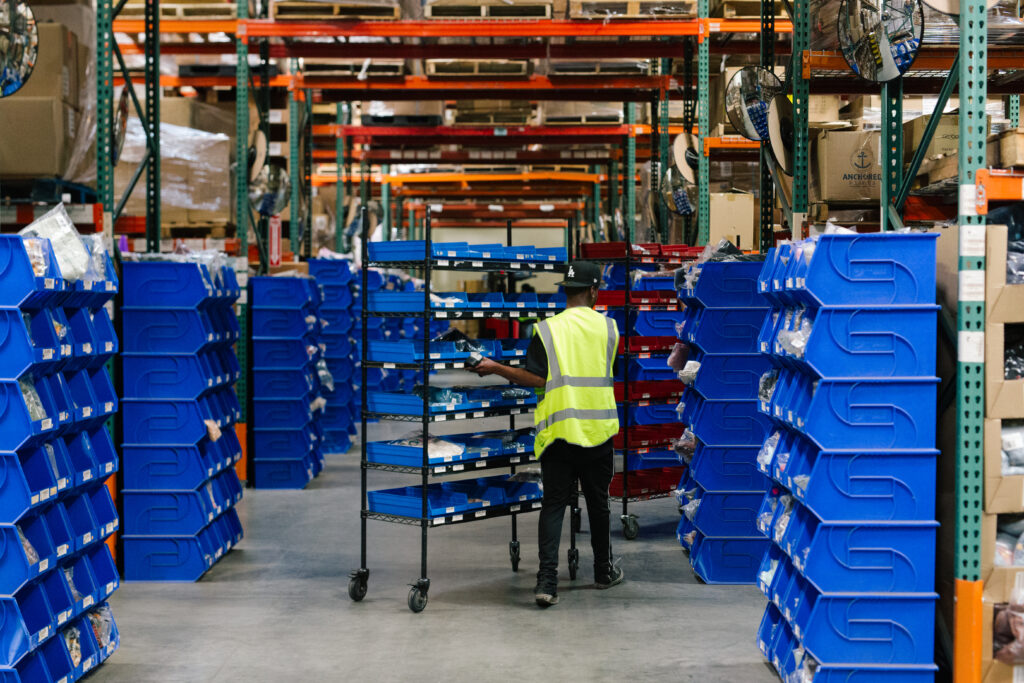
Which location owns which SKU
Ambiguity here is what produces an order routed to a shelf that does not have the item.
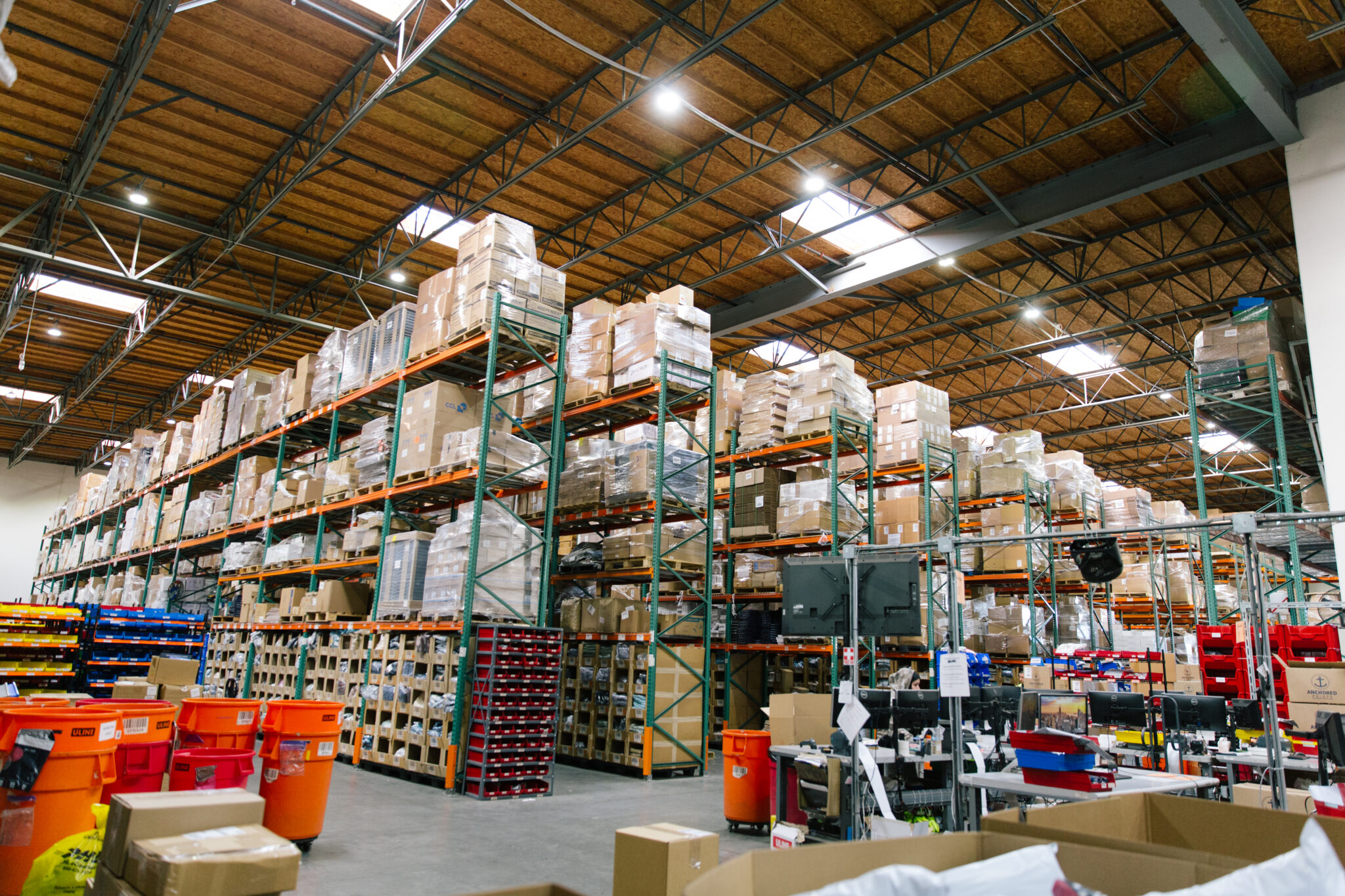
One order, more than one fulfillment method, one set of inventory counts.
BigCommerce models orders using consignments: collections of line items paired with a fulfillment method, which can be shipping, pickup or digital. A single order can carry more than one. That is a useful model and a trap, because it means "has this order shipped?" is not always a yes or no question.
A consignment is a collection of line items paired with a fulfillment method — shipping, pickup or digital. One order can contain more than one, which is how BigCommerce represents an order that is partly shipped and partly collected. It means order fulfillment status is tracked per consignment rather than only at the order level.
Yes. The warehouse becomes one location alongside yours, and fulfillment information is queried and updated so inventory levels stay consistent across your defined locations. The important decision is which location owns which SKU, because ambiguity there is what routes an order to a shelf that does not have the item.
It ships as separate consignments, each with its own fulfillment status and tracking. Decide before go-live whether split orders ship in parts or wait to ship together, and make sure the confirmation email your customer receives matches that choice — most complaints about split shipments are really complaints about surprise.
Multi-location is where integrations quietly go wrong. Decide these first.
Ambiguity here is what produces an order routed to a shelf that does not have the item.
Decide whether it ships together, ships in parts, or waits — and make sure the customer-facing message matches.
The warehouse system should be, with levels pushed back to BigCommerce. Two systems both believing they are authoritative is the classic failure.
They are consignments too. Confirm they are excluded from what routes to the warehouse.
The detail behind this, in OC3PL’s own guides.
How OC3PL connects to BigCommerce — a direct warehouse management system link, what connecting requires, and how long it takes to go live.
Connecting BigCommerce to a 3PL takes a store hash and an access token from an API account. What those are, what scopes matter, and what happens after.
Running a storefront and two marketplaces from one stock pool: how allocation works, what breaks when you split inventory per channel, and what to confirm before you do.
Struggling to see accurate inventory? Learn how to fix poor 3PL visibility and regain control with real-time data and transparent reporting.
Understand how inventory syncing works behind the scenes, why it fails, and how to prevent costly stockouts or oversells.
Learn the signs that indicate it’s time for a second warehouse and when your current setup can handle growth efficiently.
Tell us what you hold and where, and we will map which SKUs should sit with us.